How people are turning spare space into income with peer-to-peer storage
Got a garage, shed, or spare corner? You could be getting paid to store other people’s stuff.
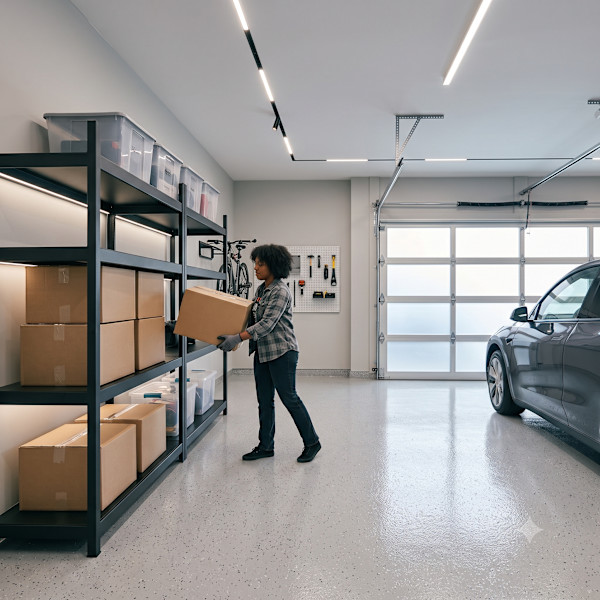
Self-storage prices have climbed steadily in most major cities, and a small storage unit can easily run $150–$300 a month depending on size and location. Meanwhile, a lot of homes and properties have space sitting empty — a garage that’s never seen a car, an unused shed, a spare corner of a basement, or a chunk of yard doing nothing.
That gap between “what storage companies charge” and “what a spare space actually costs its owner” is why peer-to-peer storage has quietly become one of the easier ways to turn dead space into a steady bit of income.
1. Why this is different to renting out a room
Storage space works differently to accommodation, and in some ways it’s simpler:
- No guests, no mess: You’re storing someone’s boxes, furniture, or a car — not hosting a person. There’s no cleaning between bookings and no one using your bathroom.
- Longer, steadier bookings: Where event-based room rentals are a night or two, storage rentals often run for months, which means more predictable, lower-effort income once it’s set up.
- You set the terms: Most hosts decide exactly what can be stored, how the space is accessed, and whether it’s the whole garage or just one section of it.
People renting out a garage or shed report earning anywhere from $50 to $200+ a month, depending on size, location, and how easy the space is to access.
2. How people are actually doing it
There’s a growing category of platforms built specifically around this idea — essentially a marketplace connecting people with spare space to people who need somewhere to store their stuff:
- Peer-to-peer storage marketplaces: Let you list a garage, shed, parking spot, or spare room as storage space, set your own price and access rules, and handle payment and basic insurance through the platform.
- Local classifieds and community groups: Still a common (if more informal) way people find storage arrangements nearby, particularly for larger items like boats, caravans, or furniture.
- Word of mouth and local Facebook groups: Often turn up storage seekers around university towns or areas with older housing stock and small footprints, where storage demand tends to run higher.
If you’re thinking about it, a few things are worth sorting out up front: decide whether you want drive-up access or scheduled access, be clear about what you will and won’t store (liquids, flammables, and vehicles usually come with extra conditions), and check that renting out part of your property doesn’t conflict with your lease, strata, or insurance terms before you list.
3. Is it worth it?
For space that’s genuinely just sitting empty, the economics are hard to argue with — it’s close to free money for space you weren’t using anyway. It’s not going to replace a second income, but for the cost of clearing out a garage and setting some ground rules, it’s one of the lowest-effort ways to earn from what you already have.
If you’ve got a garage, shed, or spare space doing nothing, it might be worth finding out what it could be worth.
Note: flatmates.com.au is a share accommodation platform focused on longer-term flatmate arrangements. It doesn’t currently offer peer-to-peer storage listings.
